Can AI generated content harm your SEO?
As more and more AI content finds its way into websites, blogs and social media, it’s important to know when and how to use it. Here's how you can avoid issues and use AI to create content that audiences (and search engines) actually trust.
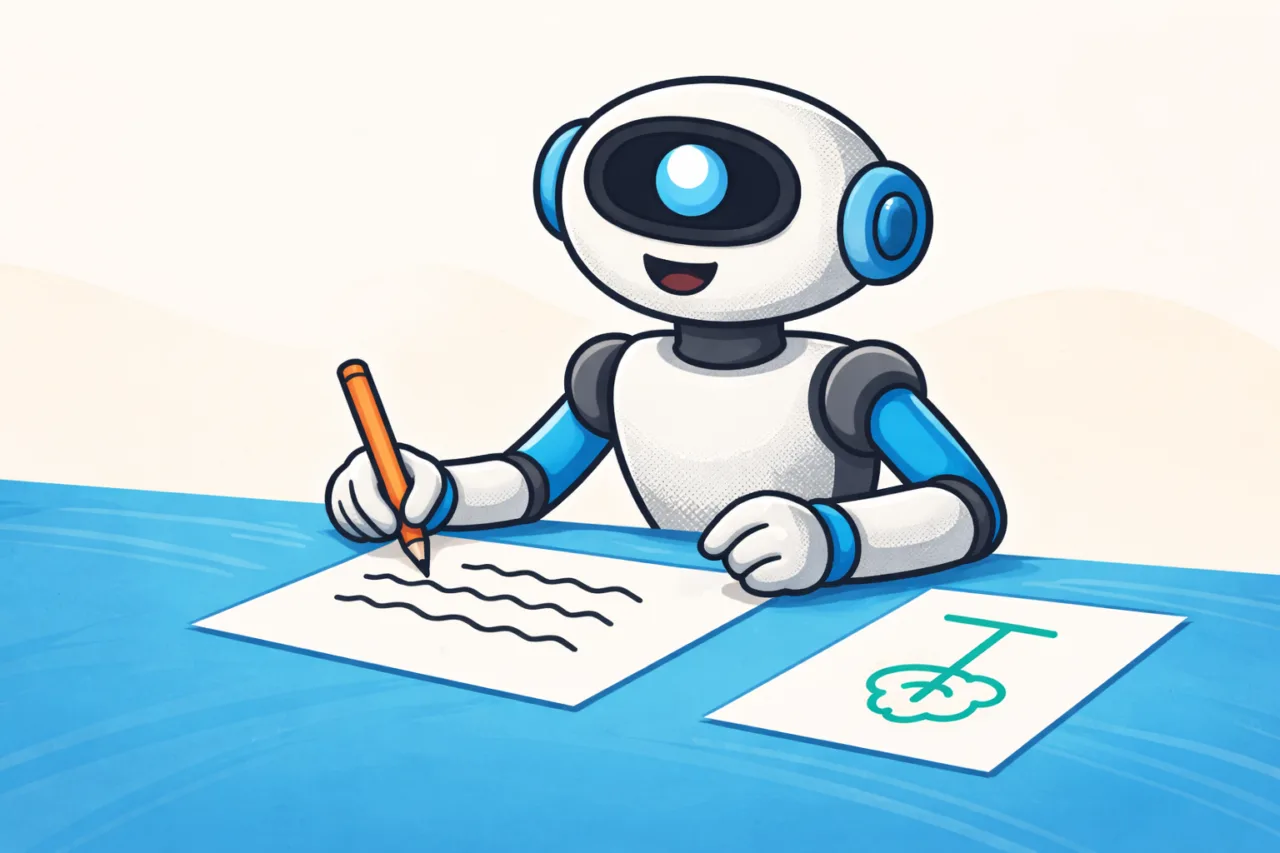
The problem we’re seeing is that AI content is being used on websites without a clear SEO strategy or human guidance. In some cases it’s being used so heavily that the website, and the good reputation it’s earned over the years, is being drowned by well-intentioned but ultimately low-quality, inaccurate and repetitive content.
The drowning effect
Publishing large volumes of low-quality AI content can trigger issues with how Google evaluates your entire website:
- Helpful Content signals: Google prioritizes content that demonstrates real expertise and usefulness. Generic, repetitive AI posts can be flagged as low value.
- Site-wide quality impact: If a large portion of the site is thin or unhelpful, it can drag down rankings across all pages (not just the AI content).
- E-E-A-T concerns: Google expects real-world experience. AI-generated posts without first-hand insight weaken Experience, Expertise, Authoritativeness and Trust.
- Indexing inefficiency: Posting daily doesn’t guarantee indexing. Google may ignore or devalue a high percentage of those pages.
The net effect is that rankings may stagnate or decline, especially for competitive local keywords, because the good content is being drowned by the flood of low-quality content.
People are smarter than you think
Bland AI-generated content and images can be a bigger problem than you might realize:
- Immediate trust loss: Images with incorrect body parts (e.g. 3 fingers!) or objects that don’t exist in the real world create a “this is fake” reaction within seconds.
- Brand credibility damage: Users are unlikely to deal with a company that looks careless or inauthentic.
- Higher bounce rates: Visitors landing on these pages are more likely to leave quickly. This sends negative engagement signals to search engines and AI agents.
Even if traffic increases slightly, it will likely be the wrong traffic because AI content often ranks for vague, low-intent queries. This, when combined with poor trust signals and generic content can lead to fewer calls and leads.
Long-term damage
Creating large amounts of unhelpful content not only risks the ranking of the generated content; it can also do long-term damage to your domain and makes it harder for future high-quality pages to rank and is difficult to repair.
A better strategy
- Post helpful, experience-based content that targets people searching in your service area.
- Use real photos to build trust.
- Use AI for what it’s good at, like idea generation, headline testing, and first drafts.
- Insert human checkpoints to identify mistakes, measure against brand, and add real life examples and localization.
- Use AI to reiterate: it’s not about creating a single, perfect prompt. It’s creating a prompt process that works with the human checkpoints listed above to create a unique, engaging content.
The good news is that AI, with a little human guidance and a good SEO strategy, can speed up content creation and lead to better rankings, more qualified traffic, and more leads.
Leave a Comment