Accessibility Is About Removing Barriers
Website accessibility should not be treated as a one-time checkbox. It should be viewed as an ongoing effort to reduce barriers and improve usability over time. In 2026, National AccessAbility Week runs from May 31 to June 6.
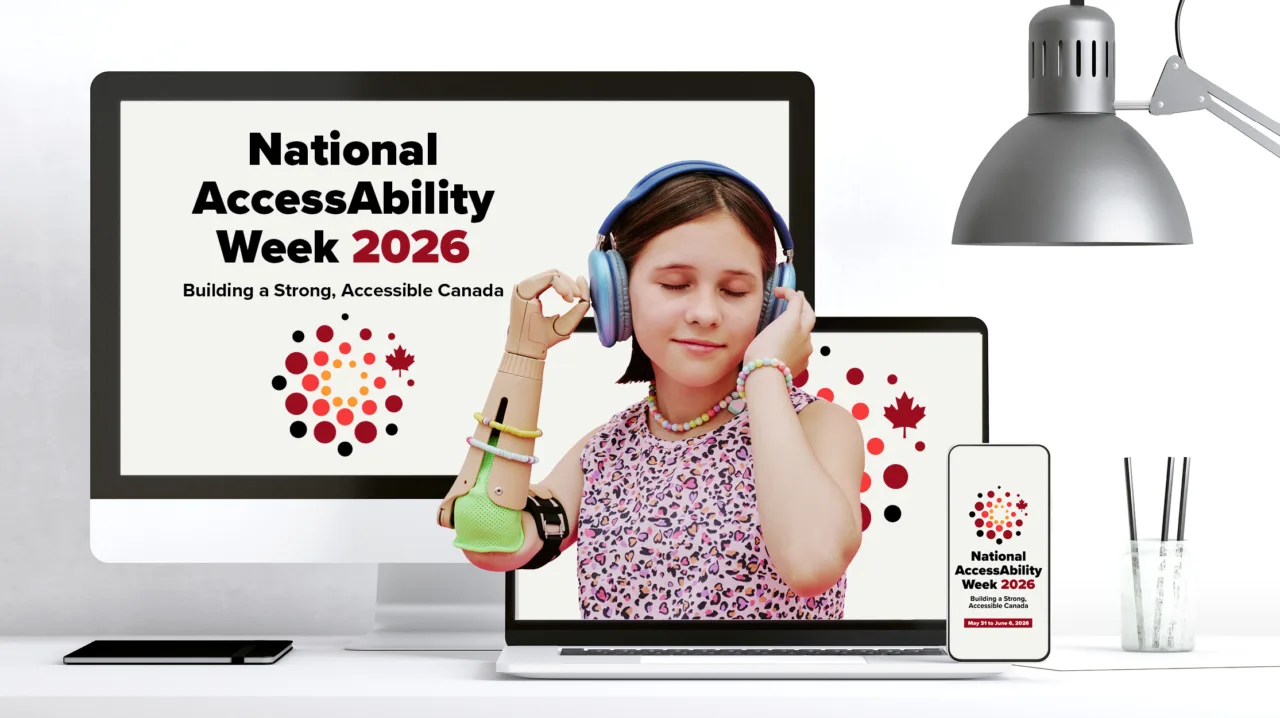
Every year, National AccessAbility Week encourages Canadians to think about accessibility, inclusion, and the barriers that still exist in everyday life.
Most people think about physical accessibility first. Ramps, elevators, accessible parking spaces, and automatic doors are easy examples to recognize. But accessibility also exists online, and many businesses still have barriers on their websites without realizing it.
Today, almost anyone can build a website using AI tools, templates, and do-it-yourself website platforms. Those tools have made it easier than ever to get online quickly. But building a website that works properly for everyone still takes experience, testing, and technical knowledge.
Accessibility Is Not Only About Vision
When people hear “web accessibility,” they often think about screen readers or blindness. Those are important considerations, but accessibility affects a much larger group of people.
A website can become difficult to use for people who:
- navigate with a keyboard instead of a mouse
- have low vision or colour blindness
- are deaf or hard of hearing
- have mobility limitations
- have learning or cognitive disabilities
- experience ADHD, autism, or sensory sensitivities
Some design choices can create unnecessary frustration. Flashing animations, cluttered layouts, poor colour contrast, confusing menus, videos without captions, or forms that are difficult to complete can all become barriers.
Accessibility is really about usability. It is about making sure people can comfortably access information and complete tasks on your website.
Most Websites Still Have Accessibility Problems
Studies continue to show that accessibility issues are very common online.
The WebAIM Million Report regularly finds that more than 95% of homepages tested contain detectable accessibility errors. These can include missing image descriptions, navigation problems, poor colour contrast, and inaccessible forms.
That number sounds dramatic, but there is important context behind it.
A website can technically fail accessibility standards because of one issue on one page. That does not necessarily mean the entire site is unusable. Some problems are minor, while others create major barriers for users relying on assistive technology.
The bigger point is this: Most websites still contain accessibility barriers, even when they look modern and professionally built.
Accessibility Benefits Everyone
An inaccessible website can create problems for users and businesses alike. It can affect:
- customer trust
- search visibility
- conversions
- brand reputation
- customer service
- legal compliance
At the same time, many accessibility improvements simply make websites better overall.
Clearer navigation, simpler layouts, readable text, predictable menus, and properly structured content help all users, not only people with disabilities.
Good accessibility usually leads to a cleaner and more user-friendly website experience.
Automated Tools Can Only Go So Far
Accessibility scanners and automated testing tools are useful, but they only catch part of the picture.
Many accessibility issues require human review and real-world testing. A website might pass an automated scan while still being frustrating or confusing for someone using assistive technology.
That is one reason why accessibility should not be treated as a one-time checkbox. It should be viewed as an ongoing effort to reduce barriers and improve usability over time.
A second reason is because the best accessibility audits – done with both automated testing and visual inspection – are a snapshot in time. A website that gets a perfect score today, can technically fail the next day when something on the site changes and a barrier is created.
A Good Question for Businesses to Ask
National AccessAbility Week, which runs from May 31 to June 6, 2026, will be a good time for organizations to ask an important question: Are there barriers on our website that we may not realize exist?
For many businesses, the answer is probably yes. That does not mean the website is bad. It means there is an opportunity to improve it.
Accessibility is not just about meeting technical standards. It is about making sure people can access your information, request services, register for events and purchase your products without unnecessary obstacles.
That is good for users, good for businesses, and good for the web as a whole.
Make Your Website More Accessible
Whether you need a comprehensive WCAG 2.1 AA audit or a practical usability-focused review, we can help identify barriers and improve accessibility across your website.
Leave a Comment